


Plastic Pallets, Bins and Crates in Malaysian Warehouses: Load Ratings Explained
Three numbers printed on every serious pallet
Ask a warehouse manager in Malaysia how much a pallet can carry and you may get one number. Ask a pallet manufacturer and you will get three. Static load is what the pallet holds sitting flat on the floor. Dynamic load is what it carries while moving on a forklift or pallet jack. Racking load is what it supports when spanning beams with nothing underneath in the middle. The racking figure is usually the lowest, and it is the one most often ignored.
Reading notes on load-rated plastic pallets from a local manufacturer is a good way to see how these figures are presented side by side. If your racking holds two tonnes per position but the pallet is rated for less when racked, the weak link is the pallet, not the steel.
Why plastic over timber in some operations
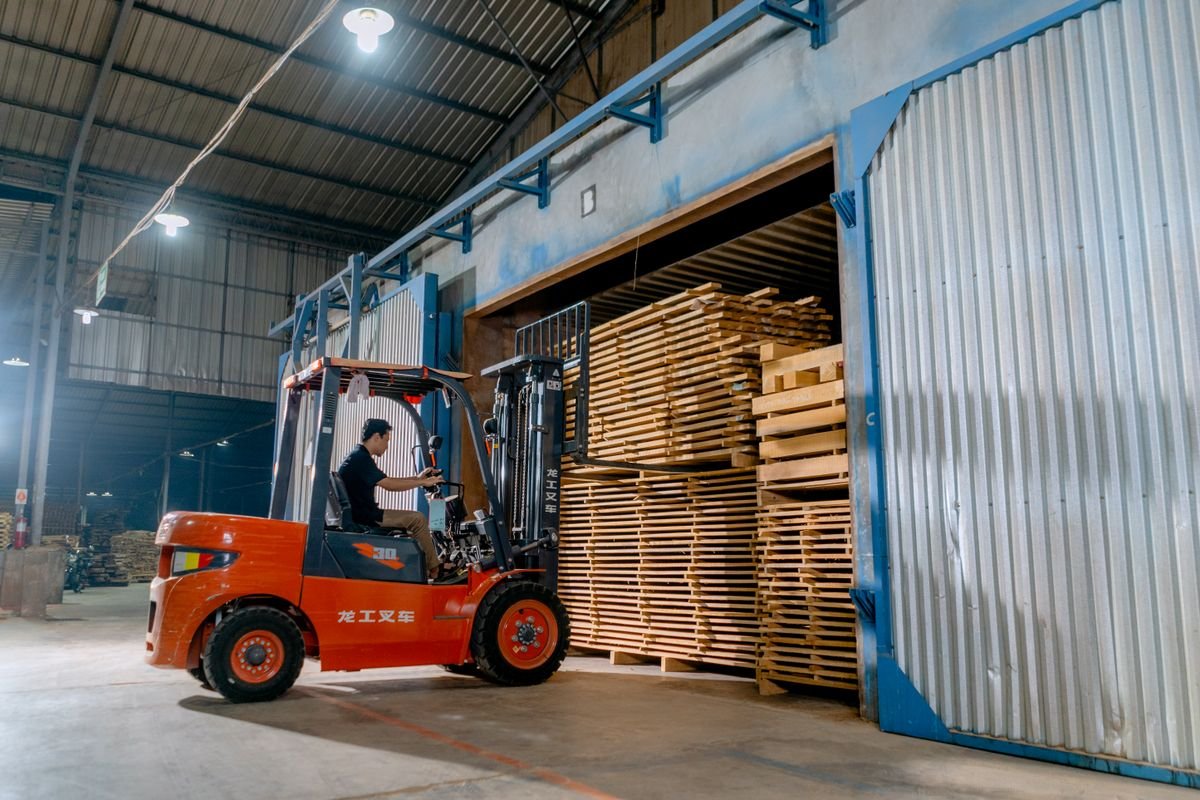
Timber pallets are cheap, repairable and everywhere. Plastic pallets cost more up front but bring consistent dimensions, no nails or splinters, and resistance to moisture, which matters in Malaysian humidity and in wash-down areas. Heavy-duty designs often add steel reinforcement bars inside the deck for racking. Over many trips in a closed loop, such as between a factory and its own warehouse, the higher price spreads thin.
Plastic is not automatically better. It can be slippery under some loads, harder to repair once cracked, and less economical for one-way shipments that never come back. The choice depends on how many times a pallet will cycle and where it finally ends up. Compatibility with conveyors and automated storage is another factor, since those systems prefer identical dimensions and flat, consistent bottom decks, which is one reason plastic turns up in highly automated warehouses.
A short comparison of plastic and wooden pallets for different handling environments.
Bins and crates handle what pallets cannot
Pallets move bulk. Smaller parts, work in progress and picking stock need containers. Stackable bins keep components visible and countable on shelves or kanban racks, while nestable designs save space when empty. A range of stackable tote bins shows typical sizes and how lids, dividers and label holders change their role on a line. It is also fair to ask whether bins are moulded from virgin or recycled material, since that can affect strength, colour consistency and suitability for food contact.
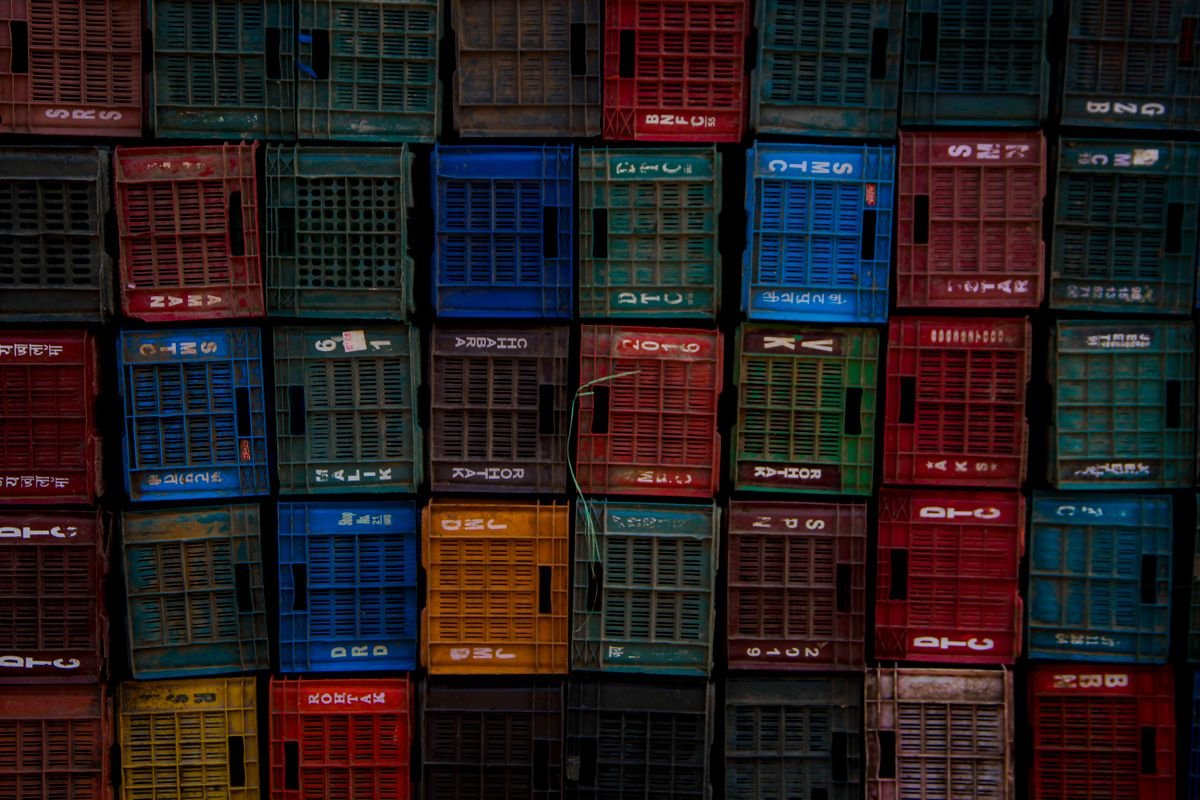
Larger crates and pallet-sized boxes sit in between. They suit loose bulk such as moulded parts, produce or recyclable scrap, and many can be lifted directly by forklift. Browsing Vanqo’s crate catalogue gives a sense of which wall designs, vented or solid, suit which goods.
Hygiene, export and handling rules
Exporters often meet plastic pallets through regulation. Wood packaging in international trade must meet the ISPM 15 standard, which involves heat treatment or fumigation and a stamped mark. The IPPC page on phytosanitary standards lists ISPM 15 among others. Plastic pallets fall outside that requirement, which simplifies some shipments.
Locally, SIRIM handles standards development and product certification in Malaysia, and buyers in food or pharmaceutical supply chains may ask for documented material grades. Handling safety still applies whatever the pallet is made of. The US OSHA guidance on powered industrial trucks is a thorough reference for forklift practice that many safety officers borrow from.
A simple way to specify what you need
Write down the heaviest load per pallet, whether it will be racked and on what beam type, how it will be moved, whether it leaves your site for good, and any hygiene requirement. Add the same details for bins and crates: part size, stacking height, and whether they sit on shelving or the floor. If you run conveyors or automated storage, list those constraints too. A two-paragraph specification like that draws far more useful quotes than a request for “strong pallets”, and it makes comparing suppliers fair.